 netken
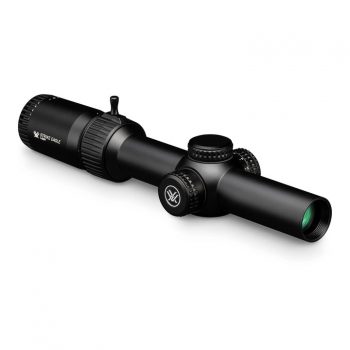
Best 1-6x LPVO for Beginners (2026): Scopes That Are Easy to Learn, Not Just Cheap
A good first LPVO should not make you fight the eye box, decode a cluttered reticle, or spend another week figuring out mounts. For beginners, the best 1-6x scope is the one that feels natural at 1x, gives you a useful 6x view, and has a reticle you can actually use after one range session.
Quick Verdict
If this is your first LPVO, I would start with the Primary Arms SLx 1-6×24 Gen IV ACSS Nova. The reticle is fast enough up close, the illumination is more useful than older budget LPVOs, and the scope has enough real features to grow with you. If you want the simplest big-brand support story, the Vortex Venom 1-6×24 is right behind it. If you want a scope-and-mount package with very little shopping around, the SIG Sauer Tango-MSR makes a lot of sense.
What Makes a 1-6x LPVO Beginner-Friendly?
I weighted the ranking around those beginner priorities: 1x speed and eye box first, reticle learning curve second, glass and build third, and value/setup convenience last. That is different from ranking LPVOs only by price or only by optical resolution.
Best Beginner 1-6x LPVOs: Ranked Picks
Primary Arms SLx 1-6×24 Gen IV ACSS Nova
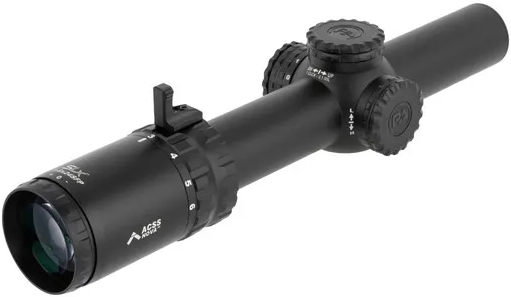
Primary Arms SLx Gen IV — the easiest recommendation when reticle usefulness matters more than brand flex.
The SLx Gen IV is the LPVO I would hand to a new shooter who wants to understand why people like variable optics. Pew Pew Tactical praised the Gen IV as an excellent value and noted its daylight-bright dot, clean reticle, and improved optical system. The ACSS Nova center aiming point is easy to pick up, while the subtensions give you room to learn holds later.
It is not a premium scope. Edge clarity is not perfect and the magnification ring can feel stiff out of the box. But the overall package is strong: usable illumination, a practical reticle, a reasonable weight, and enough durability for normal AR use.
Vortex Venom 1-6×24 SFP
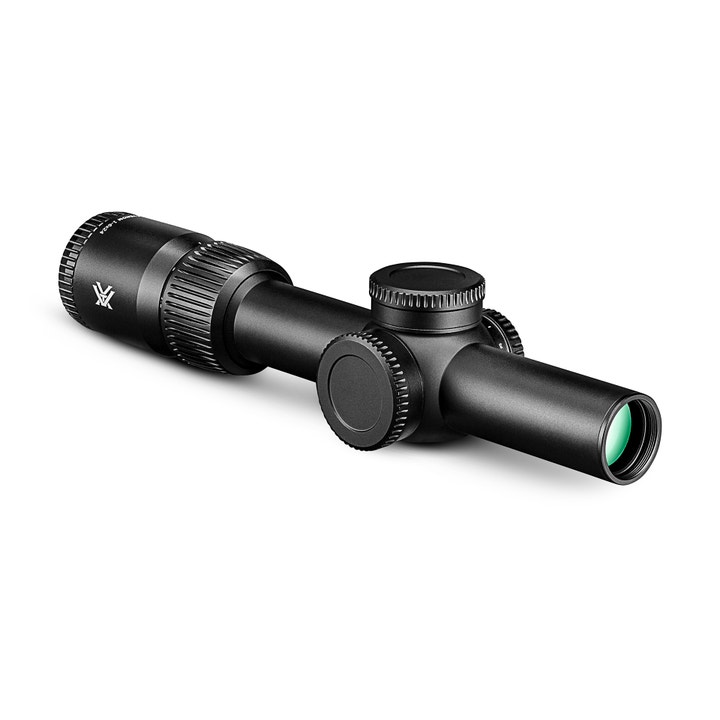
Vortex Venom 1-6×24 — a clean, supported LPVO with beginner-friendly accessories.
The Venom is a very sensible first LPVO because it does not ask the buyer to gamble on support. Outdoor Life named it the best overall budget LPVO in its tested roundup, and Vortex lists an included throw lever for faster magnification changes. That matters for beginners because the optic feels more complete right away.
The AR-BDC3 reticle is straightforward for an AR-style rifle, and the glass is competitive in this price class. It is not the lightest option, and the illumination should not be treated like a true red-dot replacement in bright sun. Still, for a first scope, the Venom is easy to justify.
SIG Sauer Tango-MSR 1-6×24
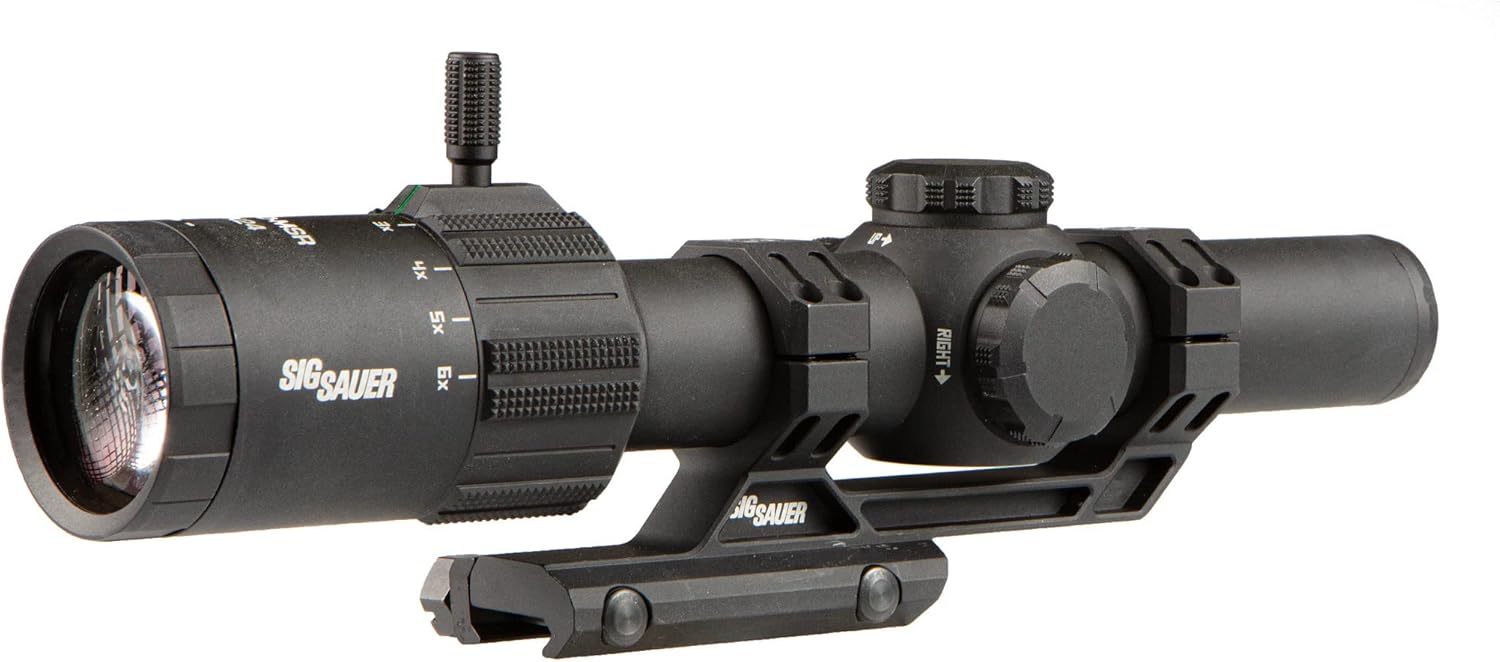
SIG Tango-MSR — popular because the mount is part of the package, not another purchase.
The Tango-MSR is the easiest pick for someone who wants a scope, mount, and basic LPVO experience in one box. SIG lists the SFP Tango-MSR with an illuminated BDC6-style reticle and Alpha MSR mount packages are widely sold. That saves a beginner from guessing ring height, mount offset, and compatibility before ever shooting the optic.
The tradeoff is that the Tango-MSR feels more like a complete starter kit than a forever optic. Glass and eyebox are usable, not magical. But if the goal is to get an AR set up cleanly and learn how an LPVO behaves, it does the job well.
Burris RT-6 1-6×24
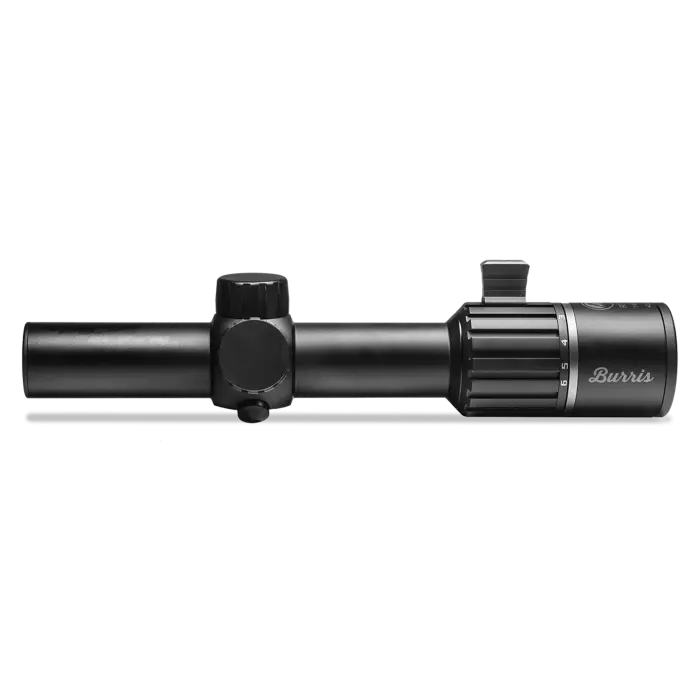
Burris RT-6 — still a favorite when speed and weight matter.
The RT-6 has been around long enough to earn a reputation as a practical AR LPVO. Outdoor Life called it the best AR-platform LPVO in its budget roundup, and Burris describes the Ballistic AR reticle as offering trajectory compensation out to 600 yards. It also keeps weight reasonable, which matters more than beginners usually expect.
The RT-6 is especially attractive if you plan to shoot drills, local matches, or mixed-distance steel. It is quick, not overly bulky, and the reticle gives you enough information without turning the view into a Christmas tree.
Vortex Strike Eagle 1-6×24 Gen II
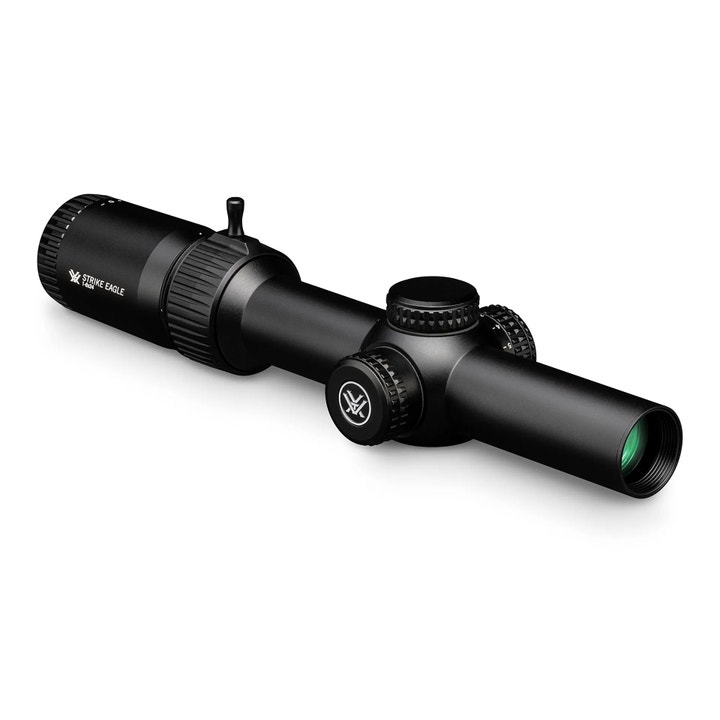
Vortex Strike Eagle — the older budget-LPVO benchmark that still makes sense on sale.
The Strike Eagle helped make the budget 1-6x LPVO category mainstream. Pew Pew Tactical noted that it brought a usable 1-6x scope to normal buyers around the $300 level, with decent glass, minimal side distortion at 1x, acceptable clarity at 6x, and a lifetime warranty.
In 2026, I would not automatically buy it over the Venom or SLx Gen IV at the same price. But on sale, it remains a familiar and well-supported beginner option. The reticle is serviceable, the brand support is strong, and there is a huge amount of user experience around it.
Swampfox Tomahawk 1-6×24
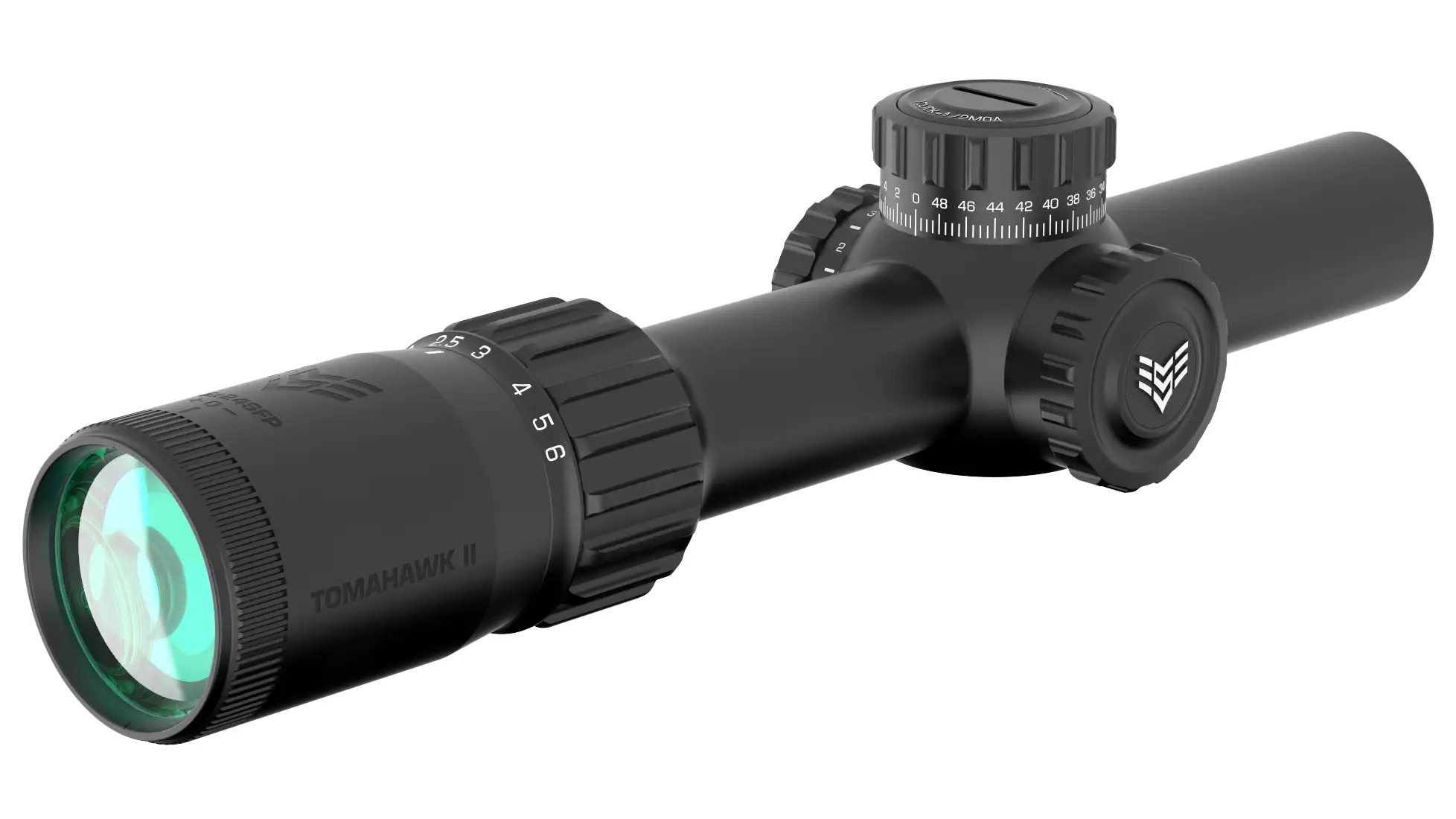
Swampfox Tomahawk — a strong value option if you like a little more reticle personality.
The Tomahawk is not the plainest beginner LPVO, but it gives value-focused buyers a lot to work with. Swampfox positions the Tomahawk as a value LPVO with an SFP illuminated reticle, and common listings show 1-6×24 configurations with the Guerrilla Dot BDC reticle.
For a brand-new LPVO user, I prefer the Primary Arms or Vortex approach first. The Tomahawk is better for someone who has already decided they want a more feature-forward budget optic and is comfortable learning the reticle.
Comparison Table
| Model | Best For | Beginner Strength | Watch Out For |
|---|---|---|---|
| Primary Arms SLx Gen IV ACSS Nova | Best overall beginner LPVO | Reticle is genuinely useful without being too hard to learn | Magnification ring can feel stiff |
| Vortex Venom 1-6×24 | Easy big-brand purchase | Warranty, accessories, and straightforward AR reticle | Not the lightest scope here |
| SIG Tango-MSR 1-6×24 | Scope-and-mount starter kit | Low setup friction; mount commonly included | Feels more starter-kit than premium |
| Burris RT-6 | Lightweight AR / drill rifle | Fast handling and proven Ballistic AR reticle | Mount usually separate unless buying a kit |
| Vortex Strike Eagle Gen II | Sale-price classic | Known platform, warranty, easy to find | Newer options may beat it at equal price |
| Swampfox Tomahawk | Feature-heavy value build | Interesting illuminated BDC options | Reticle and controls may take more learning |
My Buying Advice for a First LPVO
Do not overbuy magnification for your first variable optic. A clean 1-6x is usually easier to live with than a cheap 1-8x that has a tight eye box, dimmer glass, and a busier reticle. Put the money into a solid mount, proper eye relief, and enough ammo to learn the optic at 1x, 3x, and 6x.
If your rifle is mostly for close-range range work with occasional 200-300 yard targets, the Primary Arms SLx Gen IV, Vortex Venom, and SIG Tango-MSR are the first three I would compare. If you care more about movement and rifle balance, look hard at the Burris RT-6.
Beginner LPVO FAQ
Is a 1-6x LPVO better than a red dot for beginners?
Not always. A red dot is faster and simpler inside close range. A 1-6x LPVO makes more sense if you also want target identification, holdovers, and more confidence past 100 yards.
Should a beginner choose FFP or SFP?
For a first 1-6x LPVO, SFP is usually fine and often easier. Most close-range work happens at 1x, and most holdover work happens near 6x, where the reticle subtensions are intended to be used.
How much should I spend?
For a beginner-friendly 1-6x, the sweet spot is usually around the mid-$200 to mid-$400 range. Below that, you can find usable optics, but the eye box, glass, illumination, and support become more hit-or-miss.
What matters more: glass or reticle?
For this category, the reticle and 1x usability matter at least as much as pure glass quality. LPVOs are aiming tools first. A slightly clearer scope with a reticle you dislike is not a good beginner scope.
Sources Checked
- Outdoor Life — Best Budget LPVOs, Tested and Reviewed: https://www.outdoorlife.com/gear/best-budget-lpvos/
- Pew Pew Tactical — Best LPVO Scopes: https://www.pewpewtactical.com/best-lpvo/
- Pew Pew Tactical — Best 1-6x Scopes & LPVOs: https://www.pewpewtactical.com/best-1-6x-scope/
- Pew Pew Tactical — Primary Arms SLx 1-6×24 Gen IV Review: https://www.pewpewtactical.com/primary-arms-slx-1-6×24-gen-iv-review/
- Vortex Optics — Venom 1-6×24 product information: https://vortexoptics.com/riflescopes-venom-1-6×24.html
- SIG Sauer — TANGO-MSR 1-6×24 product information: https://www.sigsauer.com/tango-msr-lpvo-1-6x24mm-sfp.html
- Burris Optics — RT-6 1-6x24mm product information: https://www.burrisoptics.com/riflescopes/rt-6-1-6x24mm
- Swampfox Optics — Tomahawk LPVO Series: https://www.swampfoxoptics.com/tomahawk-series