 netken
Do You Need a Scope for Airsoft? CQB, Woodland and DMR Use Cases
A practical decision guide for airsoft players who are asking whether a scope is actually useful — or whether a red dot, LPVO, magnifier or even iron sights would fit the field better.
Contents
The real question: do you need magnification?
Most beginners ask, “Do I need a scope?” A better question is: “Do I need magnification for my field and role?” Airsoft is not only about aiming precision. It is about speed, visibility, mask comfort, target identification, BB trajectory and how quickly your rifle comes up from a ready position.
Scope helps when…
You need to identify movement through brush, watch long lanes, track BB flight, or play a slower DMR/sniper role.
Scope hurts when…
You are playing tight CQB, wearing bulky face protection, sprinting between cover or snapping at moving targets.
Red dot wins when…
The priority is both-eyes-open speed, wide field of view and forgiving head position.
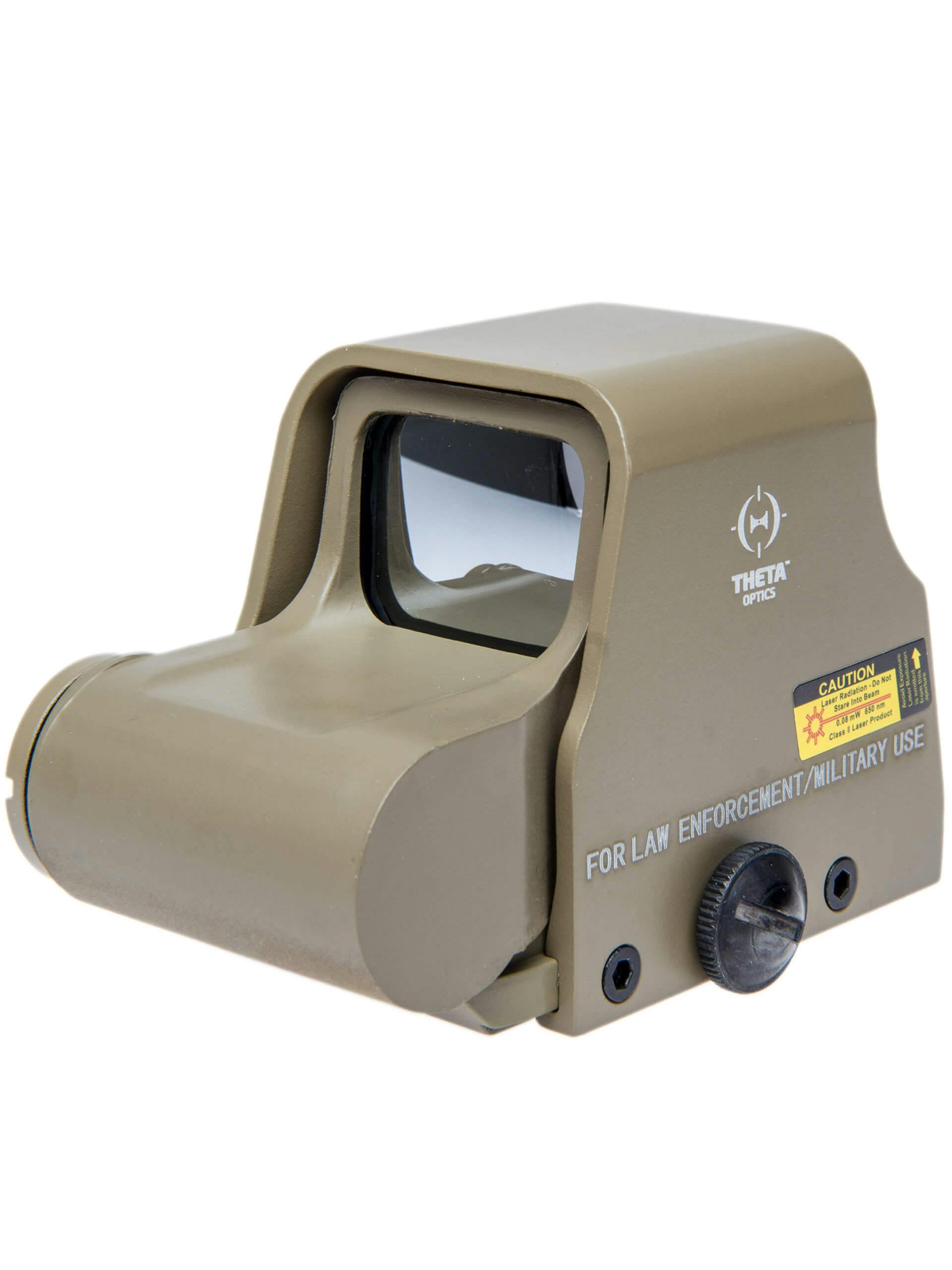
Public airsoft guides from Pinty, Patrol Base, Socom Tactical, Fox Airsoft and Novritsch all point in the same direction: close-range airsoft favors red dots or reflex sights, while magnified optics become useful only when the field has enough distance and visual clutter to reward observation.
Decision table: scope, red dot, LPVO or magnifier?
| Use case | Do you need a scope? | Best optic path | Reason | Biggest trap |
|---|---|---|---|---|
| Indoor CQB | Usually no | Red dot / reflex sight | Speed, wide awareness and mask-friendly aiming matter most. | Using too much magnification in tight rooms. |
| Outdoor short lanes | Maybe | Red dot, or lightweight 1-4x | Most engagements are still fast; occasional magnification can help. | Overbuilding with a heavy scope. |
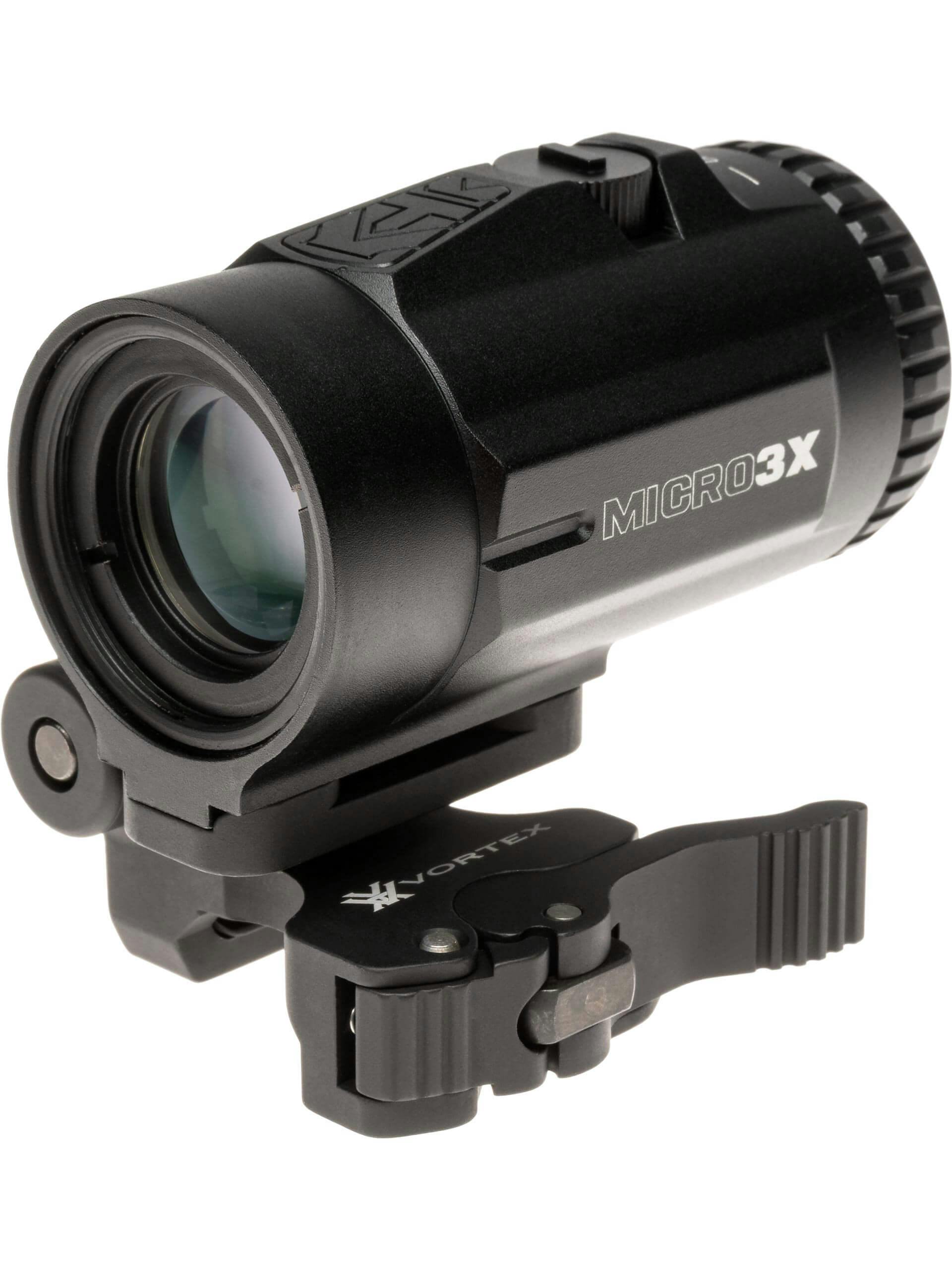
| Woodland / brush | Often useful | 1-4x / 1-6x LPVO, prism, or dot + magnifier | Magnification helps identify players through foliage and check lanes. | Walking around stuck at high magnification. |
| DMR support role | Yes, usually | LPVO or compact variable scope | Observation and BB tracking matter more than raw snap speed. | Assuming the scope increases BB range. |
| Sniper / bolt-action | Yes | Traditional variable scope | Slow role, target ID, spotting and hit confirmation need magnification. | Buying huge magnification instead of usable clarity. |
CQB: why a scope is usually wrong
In CQB, the target appears quickly, moves quickly and disappears quickly. You are often shooting from awkward angles, wearing a mask, leaning around cover or moving through doorways. A scope slows this down because it adds eye relief, eye box and reduced field of view.
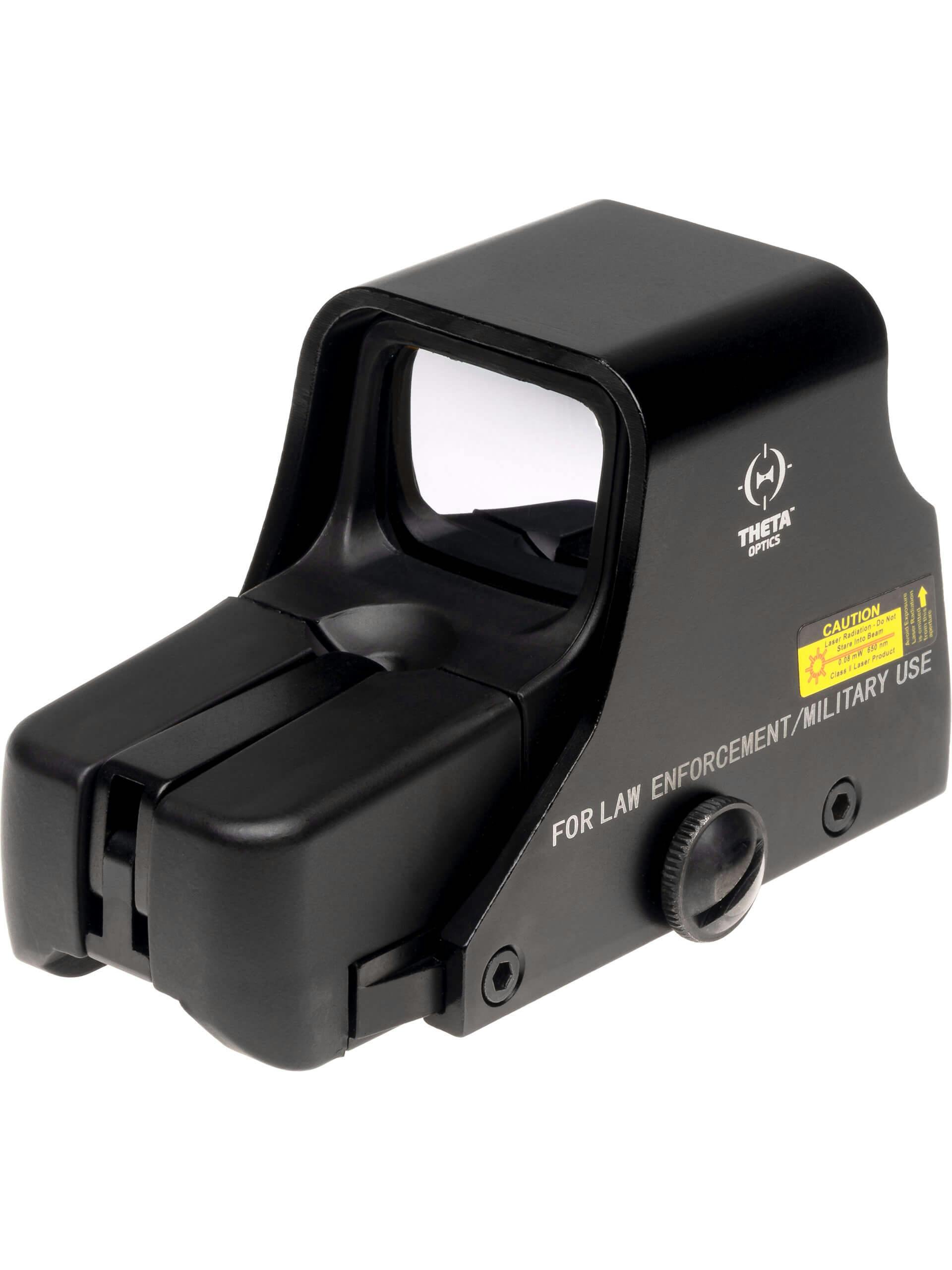
Fox Airsoft explains the same point from a red-dot perspective: protective masks make consistent cheek weld harder, while electronic dot/reflex sights let players keep both eyes open and maintain better situational awareness.
Woodland: where low magnification starts to help
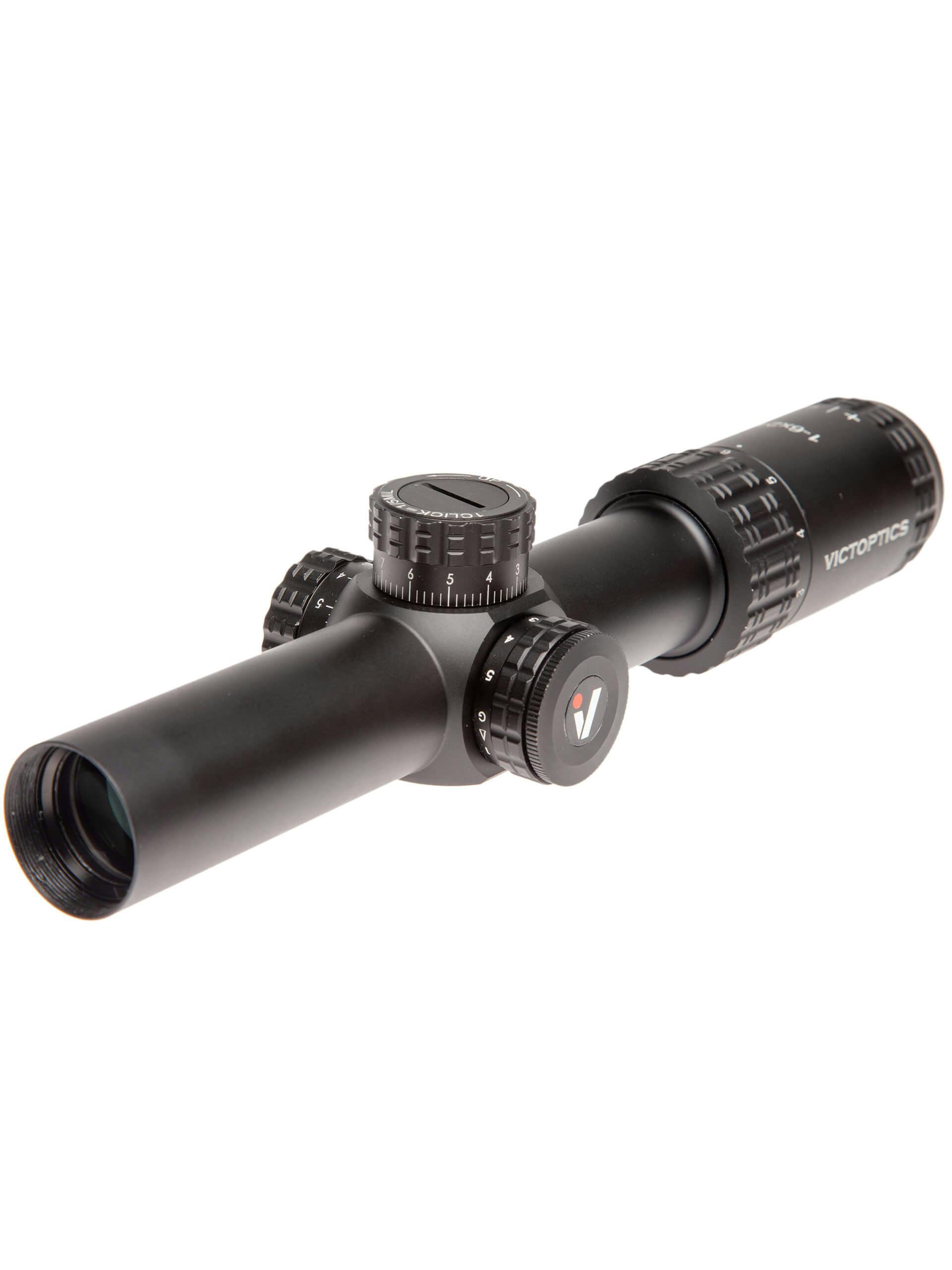
Woodland airsoft is where the answer becomes less obvious. You may still fight at close distances, but you also need to identify armbands, check gaps in brush and see whether a moving shape is a player or a branch.
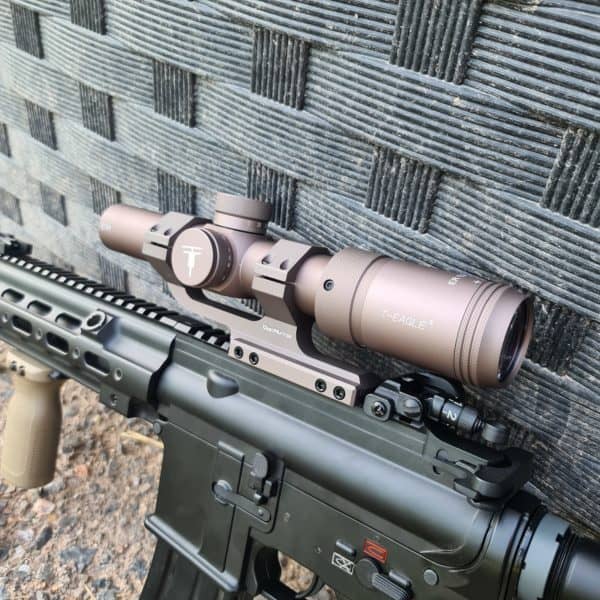
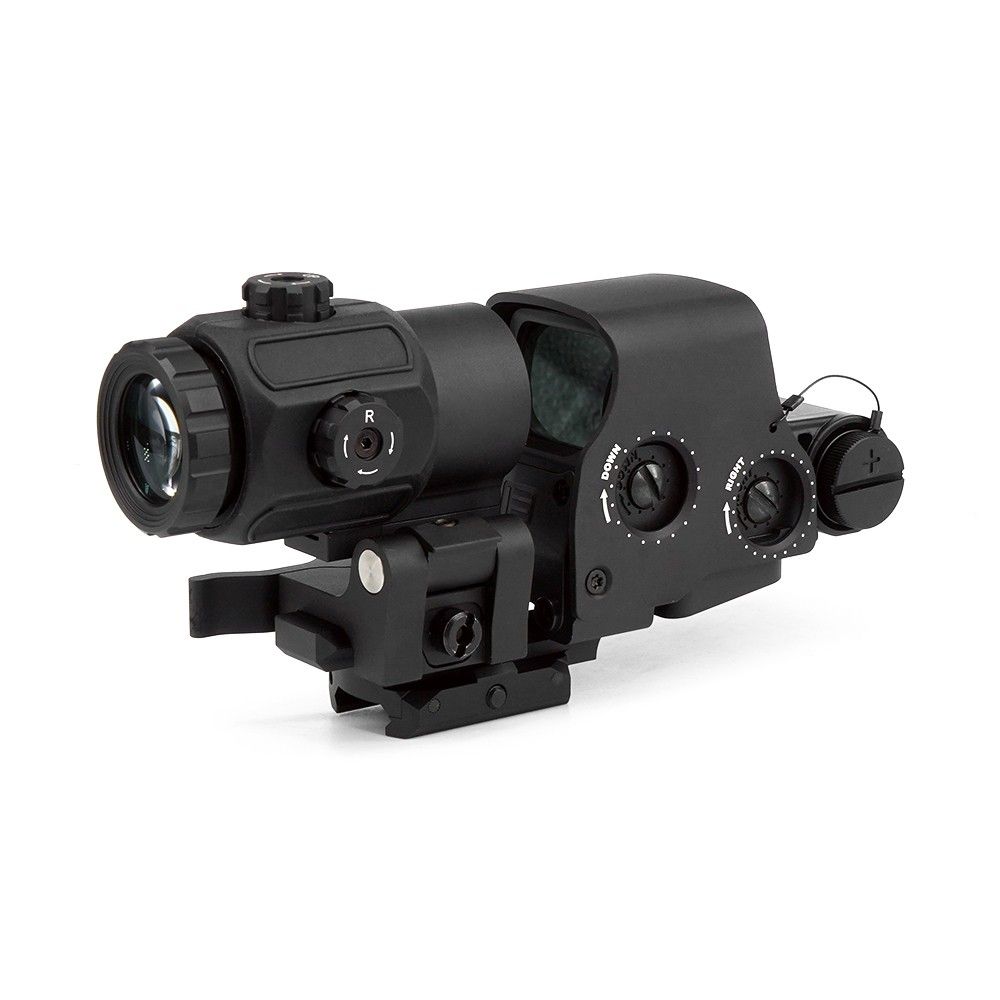
That is why a 1-4x or 1-6x LPVO can be useful. Socom Tactical notes that short-dot style scopes allow close-range use while giving enough magnification to identify hidden players in the treeline. Reddit woodland players often echo this: magnification is less about “shooting farther” and more about finding players sooner.
- Keep the optic near 1x while moving.
- Use 3x–4x for most lane watching.
- Reserve 6x for slow checking, not snap shooting.
- Use a throw lever if wearing gloves.
DMR: when a scope makes sense
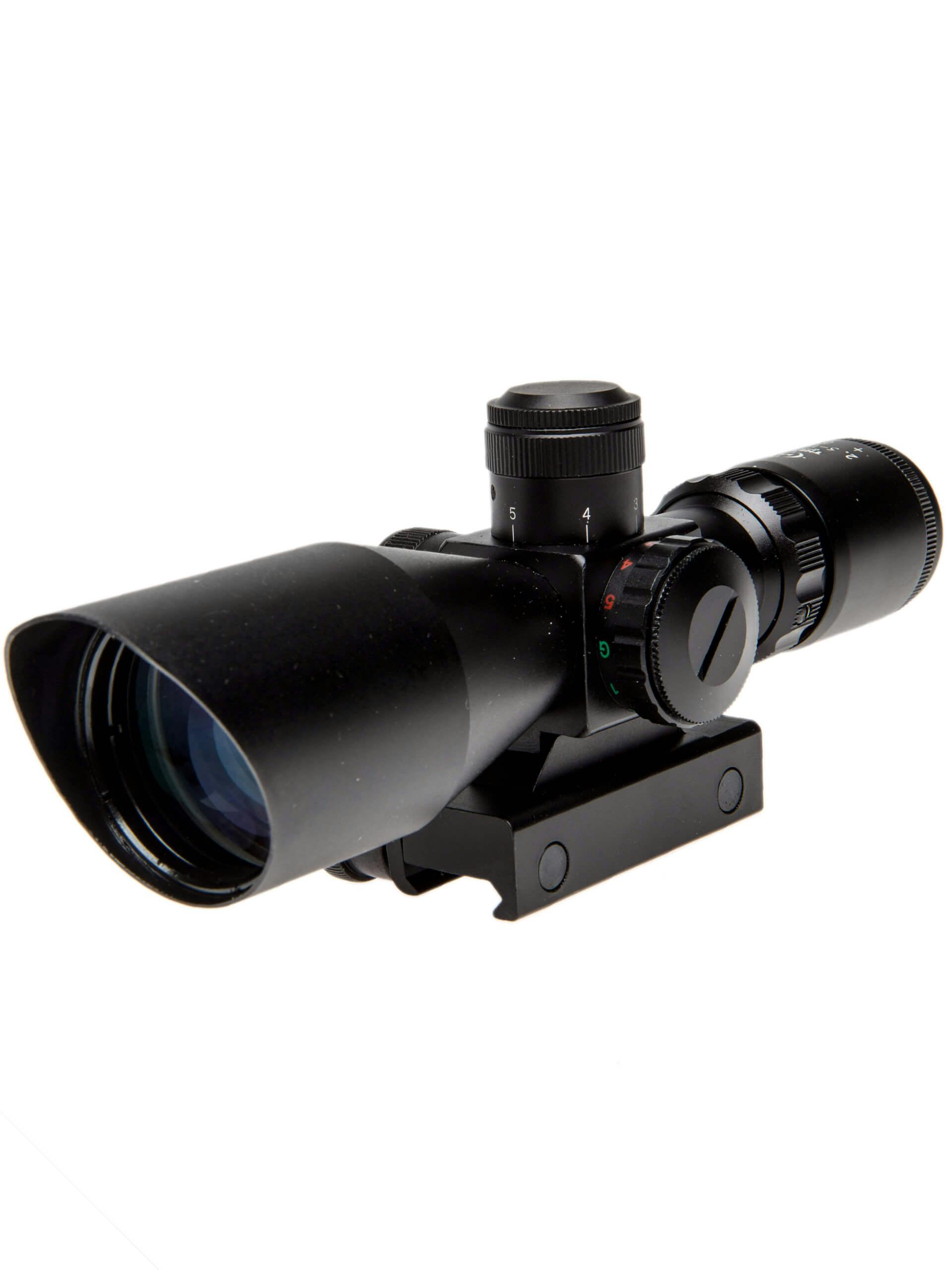
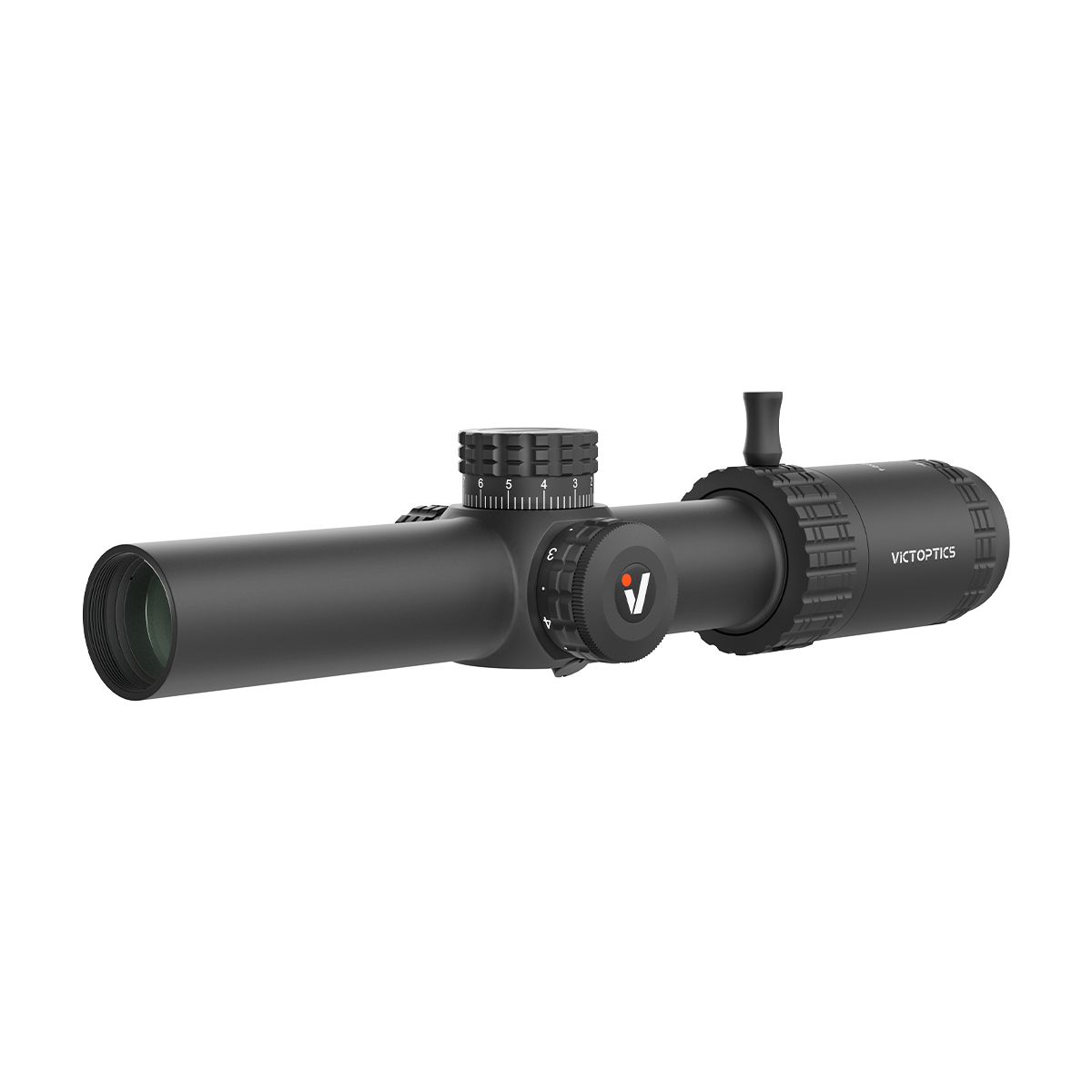
A DMR build is the point where a scope becomes genuinely useful. The role is slower, more deliberate and often positioned around lanes, windows, treelines and support angles. You are not trying to turn airsoft into long-range precision shooting; you are trying to make better decisions before the BB leaves the barrel.
For DMR, the best scope is usually not a giant high-magnification scope. It is a practical LPVO or compact variable scope with enough clarity, usable eye relief and a reticle you can understand under pressure.
How to install, zero and use a scope correctly
Mounting checklist
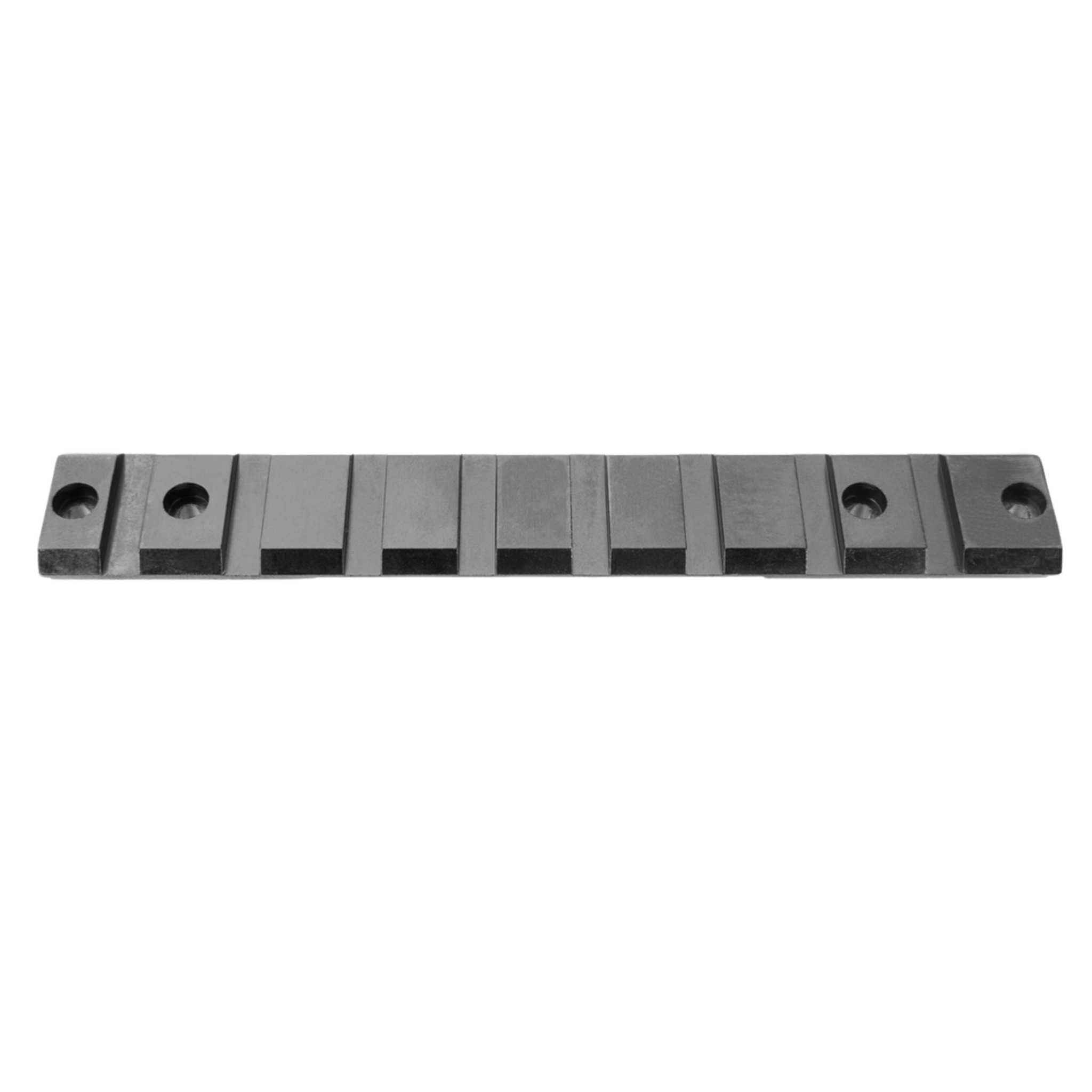
- Mount the scope on a stable receiver/rail, not across parts that flex.
- Set ring height so your mask can still get behind the optic.
- Check eye relief at maximum magnification.
- Level the reticle before tightening rings.
- Install lens protection before the first game.
| Step | What to do | Why it matters |
|---|---|---|
| 1. Set hop-up first | Use the BB weight and hop-up setting you actually play with. | Changing hop-up changes the BB path and ruins the zero. |
| 2. Zero at practical range | Use a field-relevant distance such as 25–35 m for general rifles; longer for DMR/sniper if appropriate. | Airsoft trajectories are curved, not flat. |
| 3. Test with full gear | Wear your goggles, mask and gloves. | A scope that works on a bench may fail with face protection. |
| 4. Recheck after transport | Confirm zero after travel or hard impacts. | Replica rails, mounts and rings can shift. |
Common mistakes to avoid
Buying mistakes
- Buying a 3-9x scope for pure CQB.
- Choosing maximum magnification over usable field of view.
- Buying for looks without checking mask clearance.
- Assuming a scope fixes poor hop-up consistency.
- Ignoring weight on a long skirmish rifle.
Setup mistakes
- No lens protector.
- Zeroing before hop-up is stable.
- Brightness too high on illuminated reticles.
- Mounting too far back for a mask.
- Forgetting that DMR rules may include minimum engagement distance.
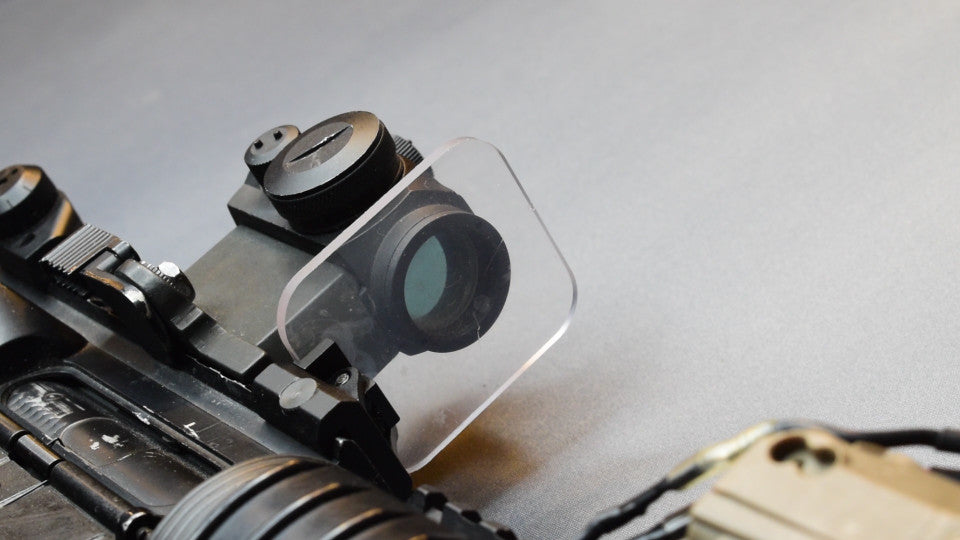
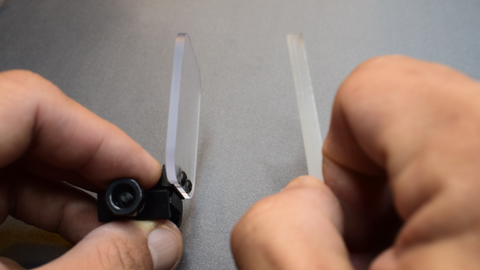
Lens protection deserves its own warning because it is the easiest mistake to avoid. Fox Airsoft’s lens protector guide notes that players often think they can go one day without protection and regret it after a direct BB hit. In CQB-heavy environments, protectors prove their worth quickly.
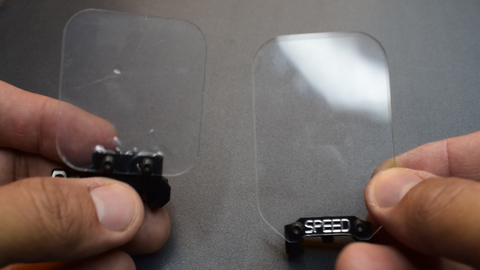
The protector type depends on the optic, rail space and mounting options. A rail-mounted shield works for many red dots and LPVOs; bikini-style covers may be the only practical choice when rail space is limited; killflash/honeycomb covers can help with glare but are not always the strongest impact solution.
Airsoft scope need decision score
This article is scored as a decision guide: it helps a player decide whether a scope is needed at all, rather than reviewing one single product.
| Criterion | Editor score | Reason |
|---|---|---|
| CQB decision clarity | 9.3 | Clear recommendation that most CQB players should use a red dot, not a scope. |
| Woodland use-case clarity | 9.0 | Explains when low magnification helps identify movement and watch lanes. |
| DMR scope fit | 8.9 | Separates real DMR observation value from the myth that scopes add range. |
| Setup and installation guidance | 8.8 | Covers rail stability, eye relief, mask height, zeroing and hop-up sequence. |
| Protection and mistake prevention | 9.1 | Treats lens protection and setup mistakes as core buying decisions. |
| Image and example usefulness | 8.7 | Uses real optic, scope, magnifier and protector images with practical captions. |
Final answer: do you need a scope?
For CQB: no, use a red dot. You need speed, awareness and mask-friendly aiming more than magnification. For woodland: maybe, but keep magnification low. A 1-4x or 1-6x LPVO helps when brush, shadows and lane distance make identification difficult. For DMR or sniper roles: yes, a scope can be useful. But it helps you observe and correct; it does not replace good hop-up tuning, BB choice and fieldcraft.
If you are unsure, start with a red dot and learn your field. Add magnification only when you can name the exact problem it solves.
Sources and research notes
- Novritsch — Red Dots or Scopes? What to use in airsoft
- Pinty Devices — Beginner’s Guide to Airsoft Optics
- Socom Tactical — Optical Sights and Red Dots Airsoft Guide
- Fox Airsoft — Red Dots & Reflexes
- Fox Airsoft — Gear Talk: Lens Protectors
- Catus Airsoft — Optics Guide 2026
- Community research snippets from r/airsoft discussions on DMR scopes, red dots and LPVOs were used as directional field-experience signals.
- Local LarkBell records used: Airsoft Optics Guide, LPVO vs Red Dot for Airsoft, Best LPVO for Airsoft, T-Eagle review, VictOptics S6 review and SpecPrecision EXPS3 guide.
Product names and brand names belong to their owners. Airsoft field rules, FPS/Joule limits and minimum engagement distances vary, so always verify your local rules before building a DMR or sniper setup.