
 netken
How to Choose Your First Rifle Scope: A Plain-English Beginner Guide
Your first rifle scope should make shooting easier, not turn every range trip into a vocabulary test. This guide explains magnification, objective lens size, reticles, MOA vs MIL, FFP vs SFP, eye relief, parallax, turrets, and mounts in practical beginner language.
The short answer
For most new shooters, a good first rifle scope is a simple, durable scope with moderate magnification, clear glass, safe eye relief, and a reticle you understand immediately. If you are setting up a hunting rifle, start by looking at 2-7x, 3-9x, or 4-12x. If you are setting up an AR-style rifle for close-to-mid-range use, look at a 1-6x or 1-8x LPVO. Do not buy the highest magnification you can afford unless your use case genuinely needs it.
The right scope is not the one with the longest spec sheet. It is the one that fits your rifle, your normal distance, your lighting conditions, and your learning curve.
What you’ll learn
- How to read scope numbers like 3-9×40 and 1-6×24
- How much magnification a beginner actually needs
- Why objective lens size is not the same thing as brightness
- Which reticle types are easiest to learn
- MOA vs MIL and why consistency matters more than “which is better”
- FFP vs SFP in plain English
- Eye relief, parallax, turrets, mounts, and first-scope buying mistakes
1. Start with the job, not the scope
The cleanest way to choose your first rifle scope is to describe the job before you look at products. A deer hunter in timber, a rimfire shooter at 50 yards, an AR owner training from 25 to 300 yards, and a bench shooter trying to see small groups all need different optics.
Vortex gives a useful rule of thumb for magnification: choose the range that fits what you do 80–90% of the time. That is excellent beginner advice. A scope optimized for one fantasy long-range trip may be frustrating for the real shooting you do every month.
2. What do scope numbers mean?
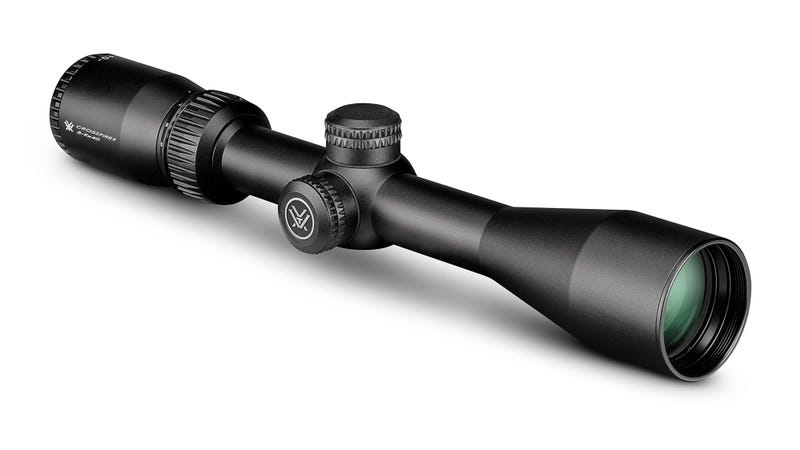
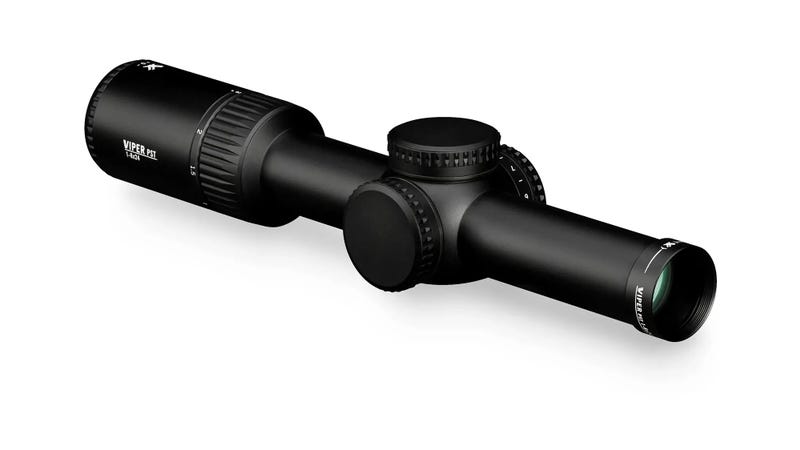
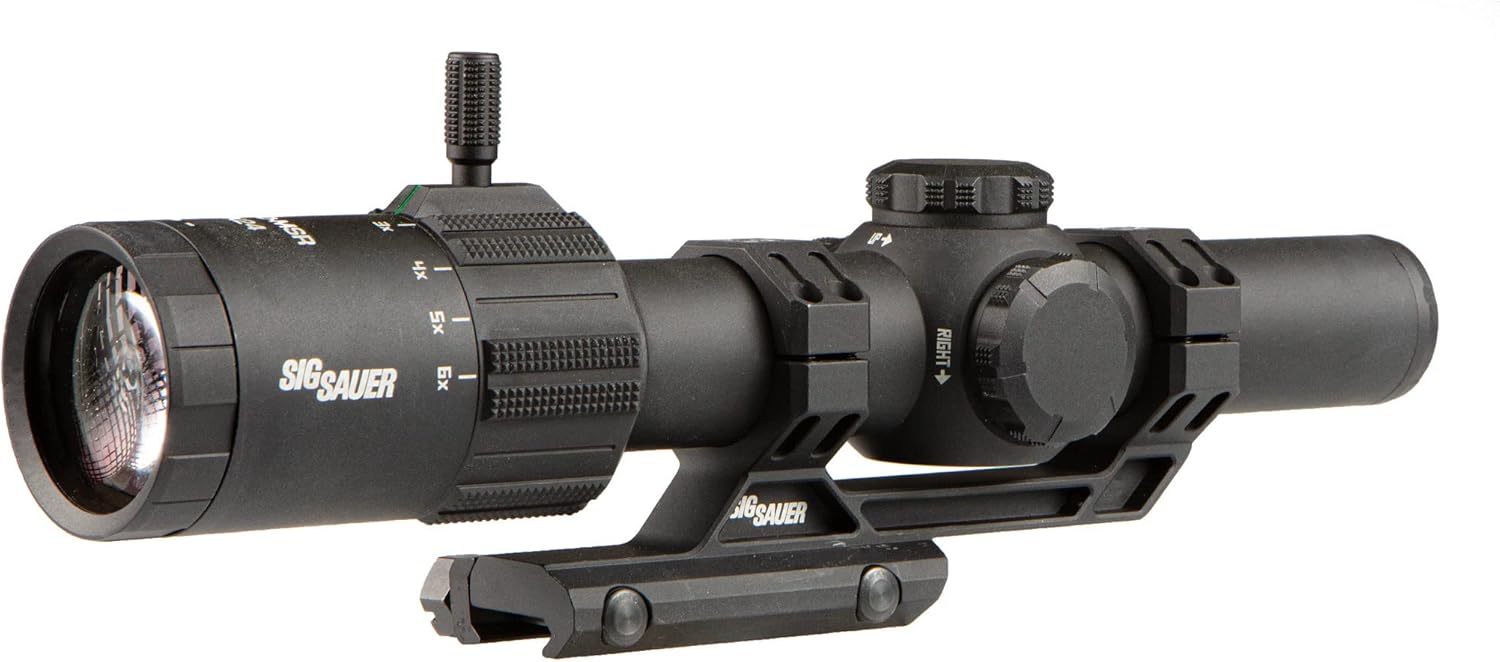
A scope labeled 3-9×40 has a magnification range from 3x to 9x, and its front objective lens is 40mm in diameter. A 1-6×24 LPVO goes from true or near-true 1x up to 6x, with a 24mm objective lens.
| Scope label | What it means | Beginner-friendly use |
|---|---|---|
| 2-7×32 | 2x to 7x, 32mm objective | Rimfire, lightweight hunting, short-to-medium distance |
| 3-9×40 | 3x to 9x, 40mm objective | Classic general-purpose hunting scope |
| 1-6×24 | 1x to 6x, 24mm objective | LPVO for AR-style rifles and close-to-mid-range work |
| 4-12×40 | 4x to 12x, 40mm objective | More target detail for range, varmint, or open-country use |
| 5-25×50 | 5x to 25x, 50mm objective | Precision/long-range; usually not the easiest first scope |
3. Choose magnification by realistic distance
Magnification is where beginners often overbuy. More zoom sounds helpful, but it also narrows field of view, makes wobble look worse, can reduce brightness at high power, and makes it harder to find the target quickly.
If your first scope is for woods hunting, rimfire, range practice, or an all-around rifle, moderate magnification usually teaches better habits. A clean 3-9×40 is still popular because it is useful without being complicated. For an AR-style rifle, an LPVO such as 1-6×24 gives a much faster low-power view than a traditional 3-9x.
| Primary use | Good first-scope magnification | Why |
|---|---|---|
| Dense woods / short-range hunting | 1.5-5x, 2-7x, 3-9x | Wide view and fast target acquisition matter more than extreme zoom. |
| General deer rifle / all-around bolt rifle | 3-9×40 or 3-12×40 | Simple, affordable, and enough magnification for most beginner hunting ranges. |
| AR-style rifle / range training | 1-6×24 or 1-8×24 LPVO | Low power is fast up close; 6x or 8x helps at mid-range. |
| Rimfire / airgun / small targets | 2-7x, 3-9x, 4-12x with close parallax focus | Target size is small and distances may be shorter than centerfire hunting scopes are optimized for. |
| Long-range target learning | 4-16x, 5-25x, often FFP | More target detail and consistent hold marks become useful, but cost and complexity rise. |
4. Objective lens size: bigger is not always better
The objective lens is the front lens — the end farthest from your eye. A larger objective can help the scope transmit a brighter image, especially at higher magnification, but it also adds size and weight. It may force you to use taller rings, which can make your cheek weld worse.
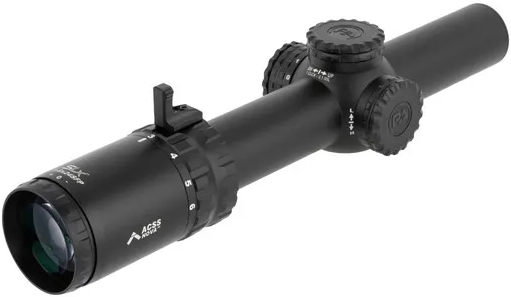
For a first rifle scope, 32mm to 44mm covers a lot of real-world needs. A 50mm objective is not automatically better if the glass, coatings, internal design, and mounting height are poor. A good 3-9×40 can be more useful than a cheap 6-24×50 that is dim, heavy, and hard to get behind.
5. Pick a reticle you can understand under stress
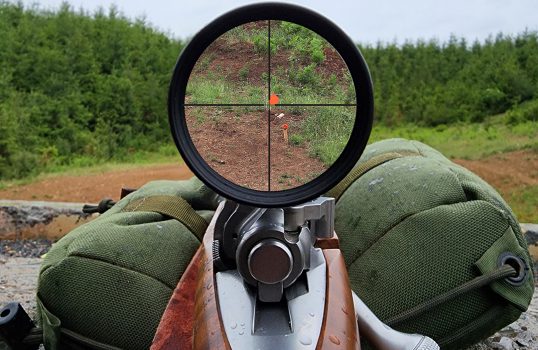
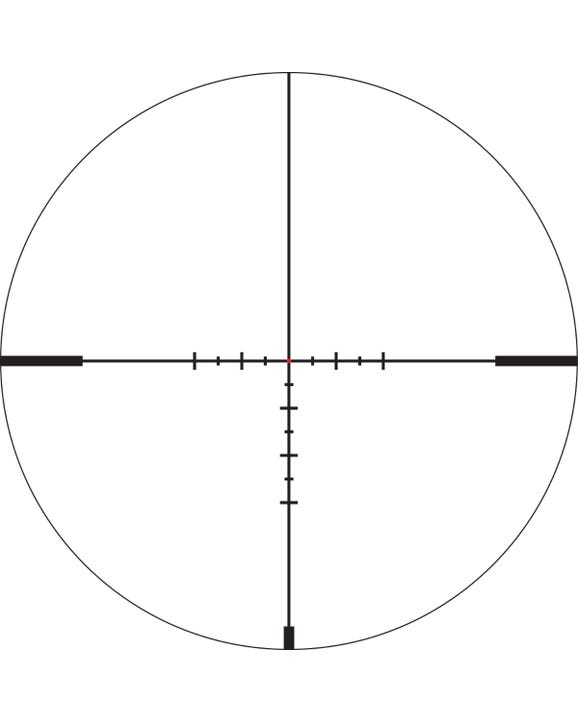
The reticle is the aiming pattern inside the scope. For a first rifle scope, clarity matters. If you cannot explain what the marks mean after one range session, the reticle is probably too busy for your first optic.
Common reticle types
- Duplex / simple crosshair: easiest to learn; excellent for general hunting.
- BDC reticle: gives holdover marks for distance, but works best when verified with your actual rifle and ammunition.
- MOA or MIL hash reticle: better for measured holds and wind references; more learning required.
- Illuminated reticle: helpful in low light or against dark backgrounds, but it does not replace good glass or a proper sight picture.
6. MOA vs MIL: don’t overthink it
MOA and MIL are both angular measurement systems. They are used for turret adjustments and reticle marks. Neither is magically more accurate. What matters is that you learn one system and keep your reticle and turrets in the same language.
| System | Plain-English meaning | Common clicks | Beginner takeaway |
|---|---|---|---|
| MOA | 1 MOA is about 1 inch at 100 yards. | Often 1/4 MOA per click. | Feels intuitive if you think in yards and inches. |
| MIL / MRAD | 1 MIL is about 3.6 inches at 100 yards. | Often 0.1 MIL per click. | Common in precision shooting; also works well if you use metric or spot with other MIL users. |
For a first rifle scope, choose the system that matches your learning environment. If your range buddies, class instructor, or ballistic app is set up in MOA, buy MOA. If your precision group uses MIL, buy MIL. The expensive mistake is buying a MIL reticle with MOA turrets, or the reverse, and forcing yourself to translate every correction.
7. FFP vs SFP: which focal plane should a beginner buy?
Focal plane controls how the reticle behaves when you change magnification.
Second focal plane (SFP)
The reticle looks the same size as you zoom in and out. SFP is common, affordable, easy to see at low power, and a smart choice for many first hunting and general-purpose scopes. The catch is that holdover marks are usually only true at one specified magnification, often maximum power.
First focal plane (FFP)
The reticle grows and shrinks with the target image. That means the reticle marks stay proportional at any magnification. FFP is useful for long-range and precision shooting, but it usually costs more and the reticle can look very small at low power.
8. Eye relief: comfort and safety come first
Eye relief is the distance from your eye to the rear lens where you can see a full, clear image. Many rifle scopes sit around 3.5 to 4 inches of eye relief. This matters because recoil can drive the rifle rearward. Too little eye relief can cause the classic “scope eye” cut.
When mounting your first scope, set eye relief from a natural shooting position, not from an awkward bench-only position. A practical method is to set the scope to its highest magnification, shoulder the rifle with your normal cheek weld, and move the scope forward or backward until the image is full without stretching your neck.
9. Parallax: when beginners should care
Parallax is the apparent movement of the reticle against the target when your eye moves behind the scope. If the reticle appears to float across the target when your head shifts, parallax can affect precision. It becomes more noticeable at higher magnification, small targets, and longer distances.
Many hunting scopes are factory-set for a common distance such as around 100 yards. Rimfire and airgun scopes may use shorter parallax settings. Precision and higher-magnification scopes often include an adjustable objective or side focus knob.
| Use case | Do you need parallax adjustment? | Beginner advice |
|---|---|---|
| Basic deer hunting inside normal ranges | Usually not essential | Spend first on glass, durability, and a clear reticle. |
| Rimfire / airgun / small targets | Often helpful | Look for close-focus or adjustable parallax. |
| Long-range / precision | Yes, very useful | Side focus becomes part of the shot process. |
10. Turrets: capped vs exposed
Turrets move the reticle internally so you can zero the rifle and make corrections. The top turret controls elevation; the side turret controls windage. For many first scopes, capped turrets are best because they protect your zero from bumps. Exposed tactical turrets are useful if you plan to dial distance, but they also require better tracking, good habits, and more attention.
For your first scope, learn to zero properly before worrying about advanced turret features. A clear 100-yard zero and repeatable basic adjustments are more important than tall tactical knobs you never use.
11. Mounting basics: don’t let the mount ruin the scope
A good scope can perform badly if it is mounted poorly. Before buying, check the scope tube diameter — common sizes are 1 inch, 30mm, and 34mm. Your rings or mount must match that tube size. Also check your rifle’s base or rail type, such as Picatinny, Weaver, dovetail, or proprietary bases.
Ring height matters. The scope should clear the barrel, but it should not sit so high that you lose a consistent cheek weld. On AR-style rifles, a cantilever mount often helps place the scope forward enough for correct eye relief.
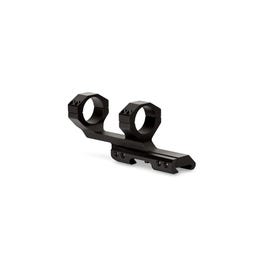
- Match ring/mount diameter to the scope tube.
- Choose the lowest practical ring height that clears the objective.
- Level the reticle before tightening the rings.
- Use a torque wrench and follow manufacturer torque specs.
- Confirm eye relief at maximum magnification.
- After mounting, bore sight if possible, then zero at the range.
12. Beginner buying checklist
Use this checklist before you buy your first rifle scope:
- I know my main use case: hunting, range, rimfire, AR, or precision.
- The magnification fits my normal distance, not a fantasy scenario.
- The objective size will not force an awkwardly high mount.
- The reticle is simple enough that I can explain it.
- Reticle and turret units match: MOA/MOA or MIL/MIL.
- Eye relief is safe for my rifle’s recoil.
- Parallax features match my distance and target size.
- The scope tube matches available rings or mount.
- The brand has acceptable warranty/support for my budget.
- I have budgeted for rings, mount, lens caps, and proper installation.
Recommended first-scope paths
| If you are… | Start here | Why |
|---|---|---|
| A new hunter with a bolt-action rifle | 3-9×40 SFP with a duplex or simple BDC reticle | Affordable, light enough, easy to understand, and useful across many hunting scenarios. |
| A rimfire or airgun shooter | 2-7x or 3-9x with close parallax focus | Shorter distances and small targets make parallax/focus more important. |
| An AR owner training from close range to 300 yards | 1-6×24 LPVO | Fast at low power and useful at mid-range without becoming too heavy. |
| A beginner learning precision | 4-16x or similar, preferably with matching MIL/MIL or MOA/MOA reticle/turrets | Enough magnification and adjustment features to learn holds and dialing. |
| A budget buyer who wants one simple answer | Reliable 3-9×40 from a known brand | The classic beginner solution still works because it avoids unnecessary complexity. |
FAQ
Is a 3-9×40 scope enough for a beginner?
Yes. For many hunting rifles and general range use, 3-9×40 is still one of the best beginner formats because it is simple, affordable, and versatile.
Should my first scope be FFP or SFP?
Most beginners are fine with SFP for hunting and general use. Choose FFP if you specifically want accurate reticle holds at any magnification for precision or long-range learning.
Is MOA or MIL better?
Neither is automatically better. MOA feels familiar to many yard/inch shooters; MIL is common in
precision circles. Pick one and keep your reticle and turrets matched.
Do I need an illuminated reticle?
It can help in low light or on dark targets, but it should not be your first priority. Good glass, proper eye relief, and a reticle you understand are more important.
Do I need parallax adjustment?
Not always. It is useful for high magnification, small targets, rimfire/airgun use, and long-range shooting. For basic hunting scopes, fixed parallax is often acceptable.
What is the biggest beginner mistake?
Buying too much magnification and too complicated a reticle. A first scope should help you build repeatable fundamentals.
Sources and further reading
- Vortex Optics — What Riflescope Magnification Should You Get? (reference used; product images are hosted locally on guide.larkbell.com)
- Vortex Optics — How to Choose Your First Hunting Riflescope (reference used; product images are hosted locally on guide.larkbell.com)
- Savage Arms — Optics Anatomy: Different Parts of a Scope
- Let’s Go Shooting — First vs Second Focal Plane
- Red Hawk Rifles — MIL vs MOA Scopes for Beginners
- Vortex Optics — How to Properly Mount a Riflescope (reference used; product images are hosted locally on guide.larkbell.com)
- Crimson Trace — Reticle Guide



